


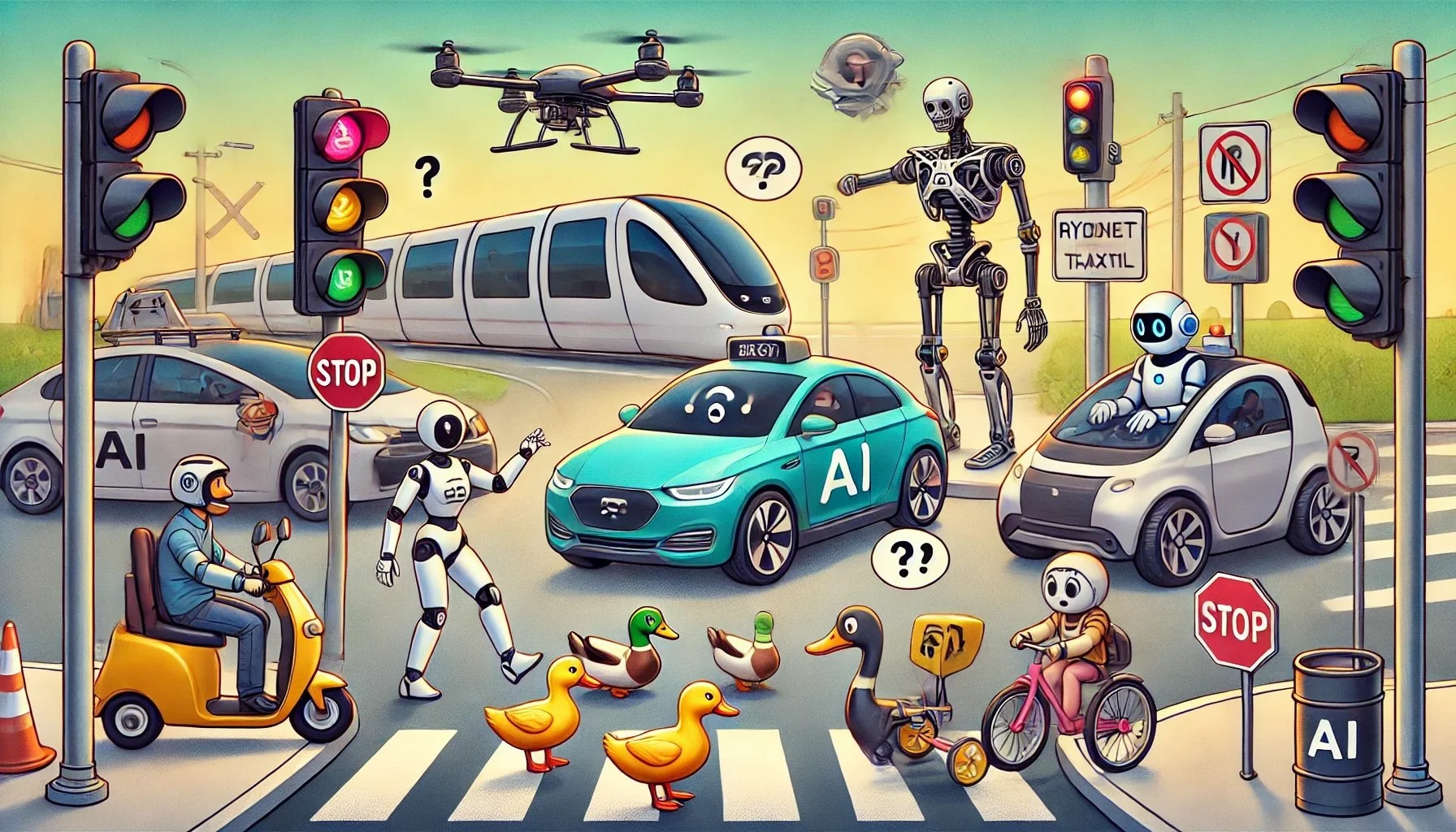
Artificial intelligence is transforming global transportation by improving safety, efficiency, and sustainability. Autonomous vehicles, smart traffic management systems, and AI-powered logistics platforms now allow governments, companies, and cities to optimize transportation networks, reduce congestion, and minimize environmental impact.
- AI in Autonomous Vehicles
- Smart Traffic Management
- AI in Logistics and Supply Chain
- Celebrity Advocacy for Sustainable Mobility
- Ethical Considerations in AI Transportation
- FAQs
- How is AI transforming transportation?
- Can autonomous vehicles enhance safety and efficiency?
- How does AI optimize logistics and supply chains?
- Do celebrities influence transportation awareness with AI?
- What ethical concerns exist in AI transportation?
- How will AI shape the future of global mobility?
- Conclusion
AI in Autonomous Vehicles
AI drives autonomous vehicles by processing sensor data, predicting traffic patterns, and enabling real-time decision-making. Machine learning algorithms allow cars, buses, and trucks to navigate safely, avoid obstacles, and adapt to dynamic road conditions, enhancing both efficiency and safety.
Beyond passenger vehicles, autonomous delivery systems leverage AI to streamline logistics, reduce costs, and accelerate shipping timelines. These innovations transform urban mobility and supply chains, providing scalable, intelligent solutions for modern transportation challenges.
Smart Traffic Management
AI optimizes traffic flow in cities by analyzing real-time data from sensors, cameras, and connected vehicles. Predictive models forecast congestion, adjust traffic signals, and improve routing for public transportation, reducing delays and improving commuter experience.
Smart traffic management also supports emergency response systems by prioritizing vehicle movement for ambulances, fire trucks, and law enforcement. By integrating AI into urban infrastructure, cities can enhance safety, efficiency, and environmental sustainability.
AI in Logistics and Supply Chain
Global logistics benefit from AI by optimizing routes, predicting demand, and managing inventory in real time. Machine learning algorithms analyze shipping data, warehouse performance, and traffic patterns to improve efficiency and reduce operational costs.
AI also facilitates supply chain resilience by detecting potential disruptions, assessing risk factors, and recommending mitigation strategies. This ensures timely delivery, reduces waste, and enhances overall reliability in global transportation networks.
Celebrity Advocacy for Sustainable Mobility
Public figures increasingly use AI-driven insights to advocate for sustainable transportation, eco-friendly practices, and the adoption of smart mobility solutions. By analyzing audience behavior, celebrities can design campaigns that inspire individuals, organizations, and governments to adopt innovative and responsible transport practices.
This combination of AI and celebrity influence raises awareness about environmental impacts, urban congestion, and mobility innovations. It encourages collaboration among stakeholders to promote sustainable, efficient, and technology-driven transportation systems worldwide.
Ethical Considerations in AI Transportation
While AI offers significant advantages, it raises ethical concerns such as safety, privacy, and accountability. Autonomous vehicles, traffic monitoring, and logistics platforms must adhere to regulations and ethical standards to ensure responsible implementation.
Policymakers, technologists, and urban planners must collaborate to establish guidelines that protect users, maintain transparency, and promote equitable access to AI-driven transportation. Responsible adoption ensures that AI contributes to safer, greener, and more efficient mobility solutions globally.
FAQs
How is AI transforming transportation?
AI improves vehicle safety, traffic management, logistics efficiency, and overall mobility in urban and global networks.
Can autonomous vehicles enhance safety and efficiency?
Yes. AI enables vehicles to navigate roads intelligently, avoid collisions, and optimize driving for both passengers and goods.
How does AI optimize logistics and supply chains?
AI analyzes shipping and warehouse data to improve routing, forecast demand, reduce costs, and enhance reliability.
Do celebrities influence transportation awareness with AI?
Celebrities leverage AI insights to promote sustainable mobility, eco-friendly practices, and adoption of smart transportation solutions.
What ethical concerns exist in AI transportation?
Concerns include safety, privacy, accountability, and equitable access, requiring regulations and ethical frameworks.
How will AI shape the future of global mobility?
AI will enable safer, greener, and more efficient transportation, while fostering innovative logistics, urban planning, and sustainable mobility worldwide.
Conclusion
Artificial intelligence is revolutionizing global transportation by improving vehicle autonomy, traffic management, and logistics efficiency. Combined with celebrity advocacy, AI promotes sustainable mobility, environmental awareness, and adoption of innovative solutions across the world.
Moving forward, ethical oversight, safety standards, and equitable access will be crucial to ensure AI’s responsible use in transportation. By integrating technology, influence, and policy guidance, global mobility systems can evolve to become safer, smarter, and more sustainable for future generations.